


Agri-Impact CEO Makes Compelling Case for Ghana's Agribusiness Sector at Ghana-UK Summit
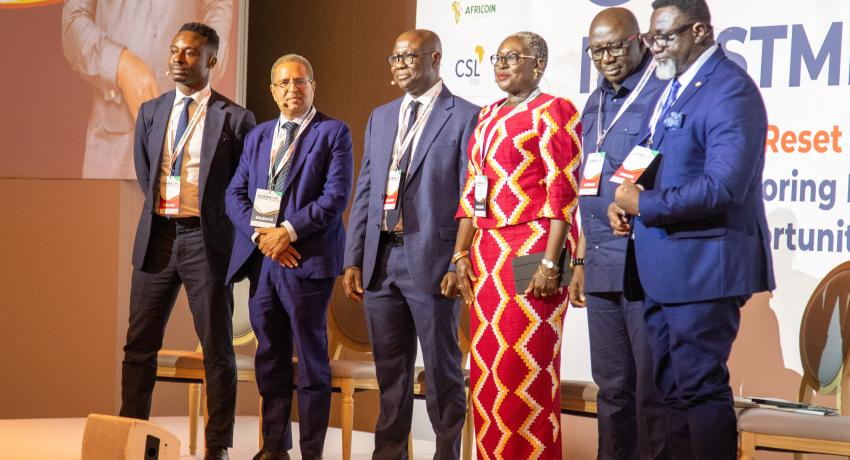
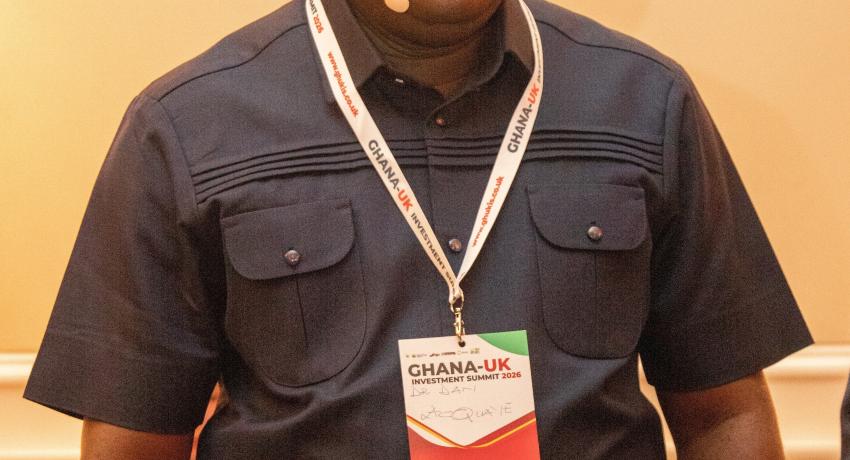
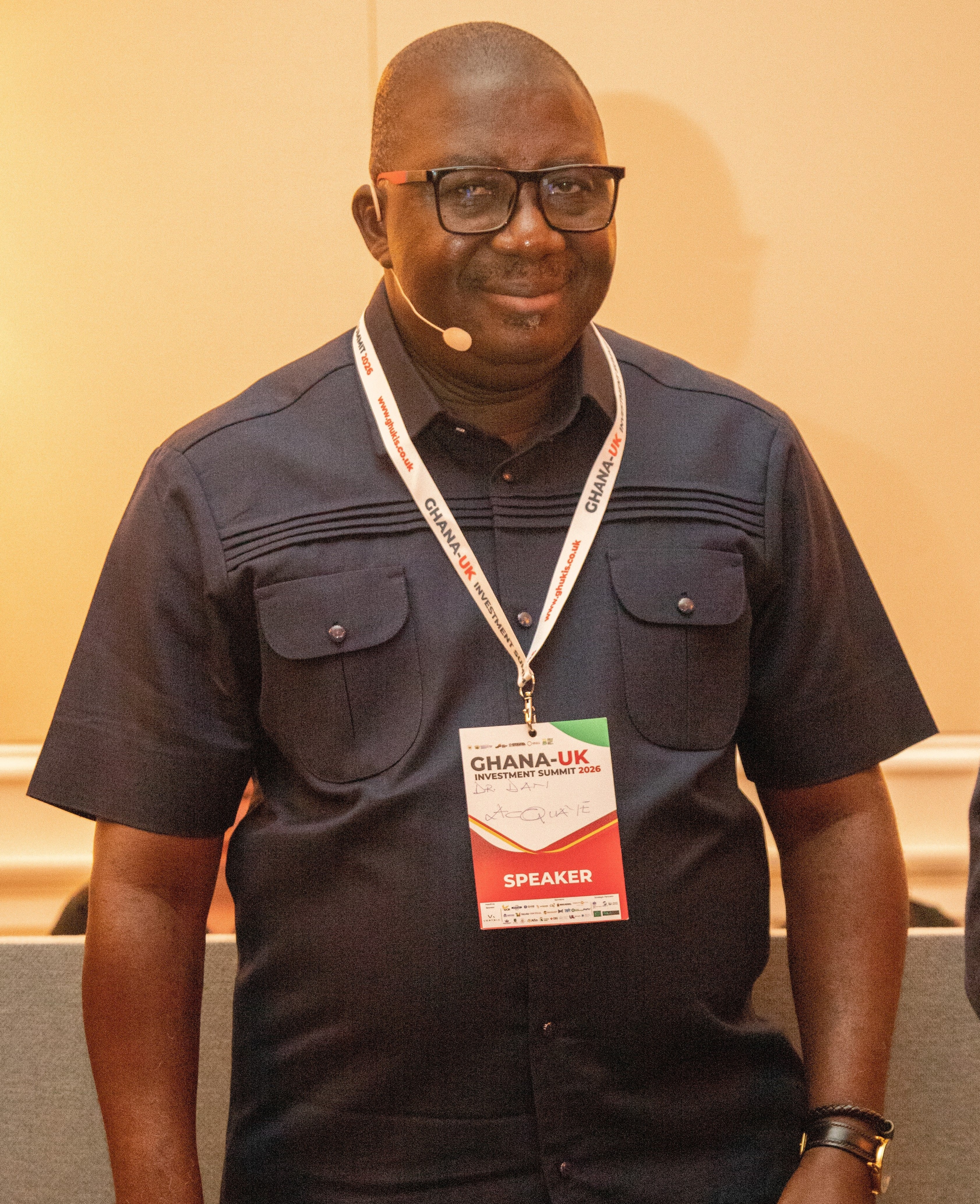
LONDON, UK – Agribusiness Development Expert and Group Chief Executive Officer of Agri-Impact Limited, Dr. (h.c.) Daniel Fahene Acquaye, has called for a shift from viewing agriculture as a high-risk venture to embracing practical business models that can accelerate commercial farming and attract investment into Ghana’s agricultural sector.
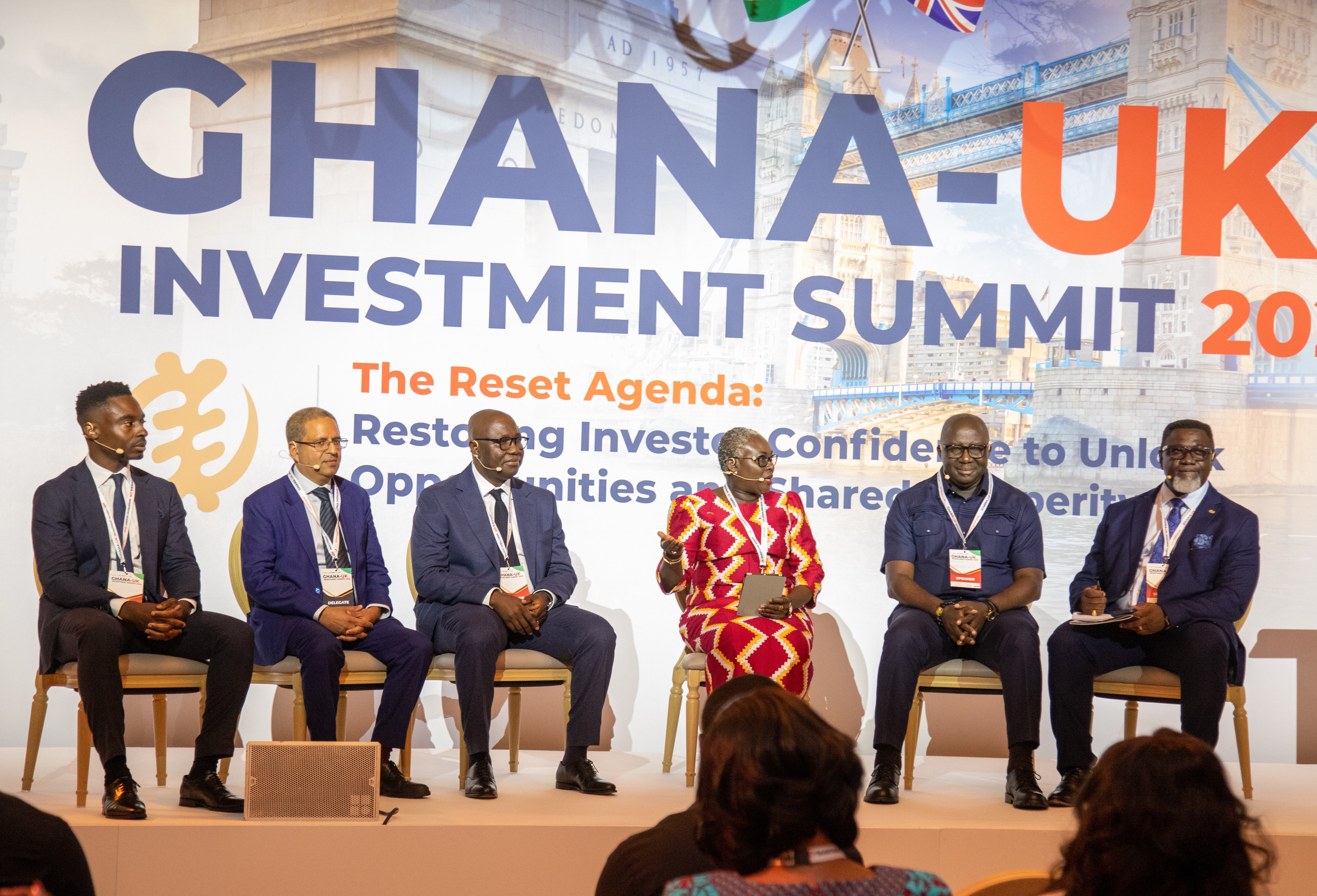
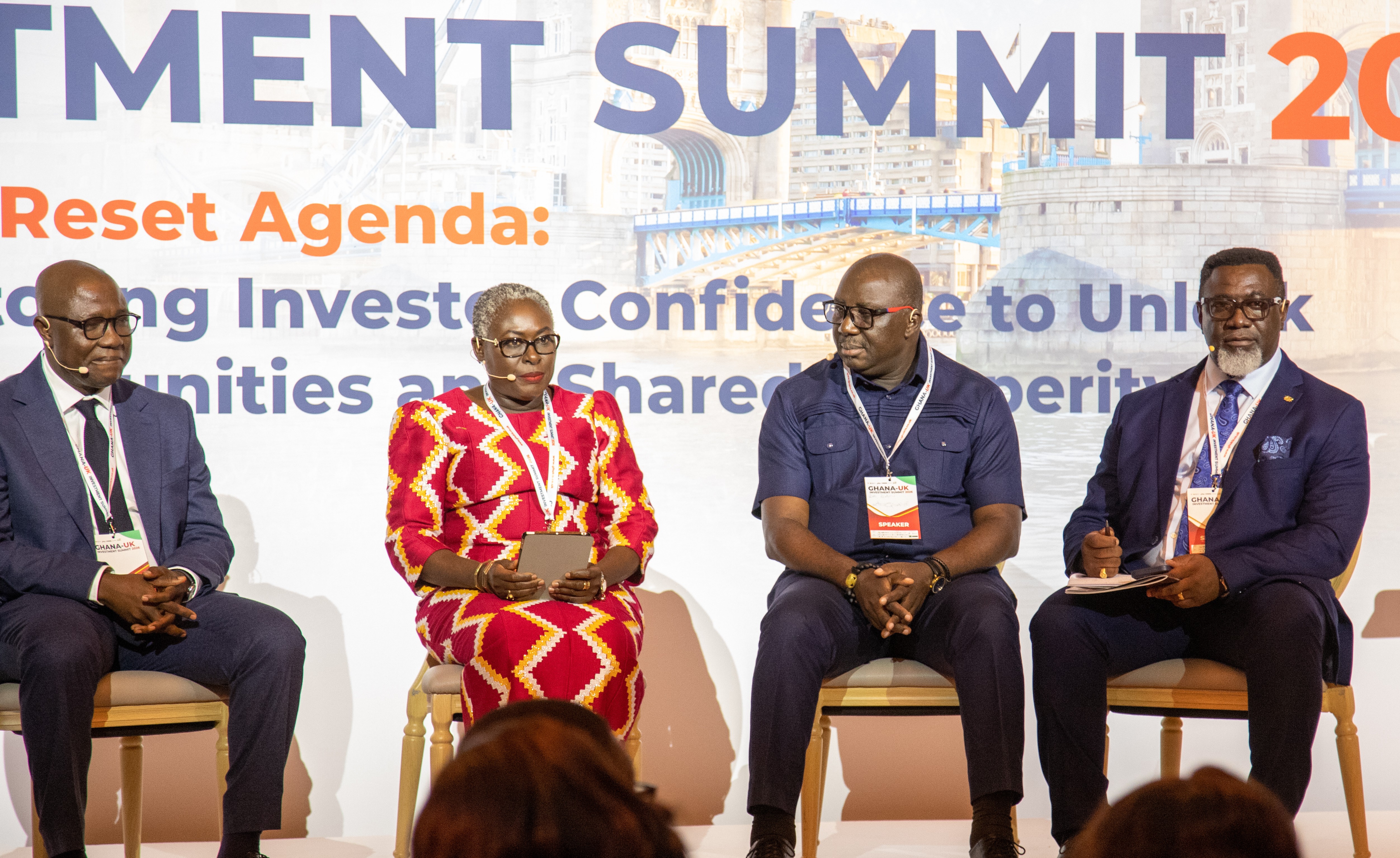
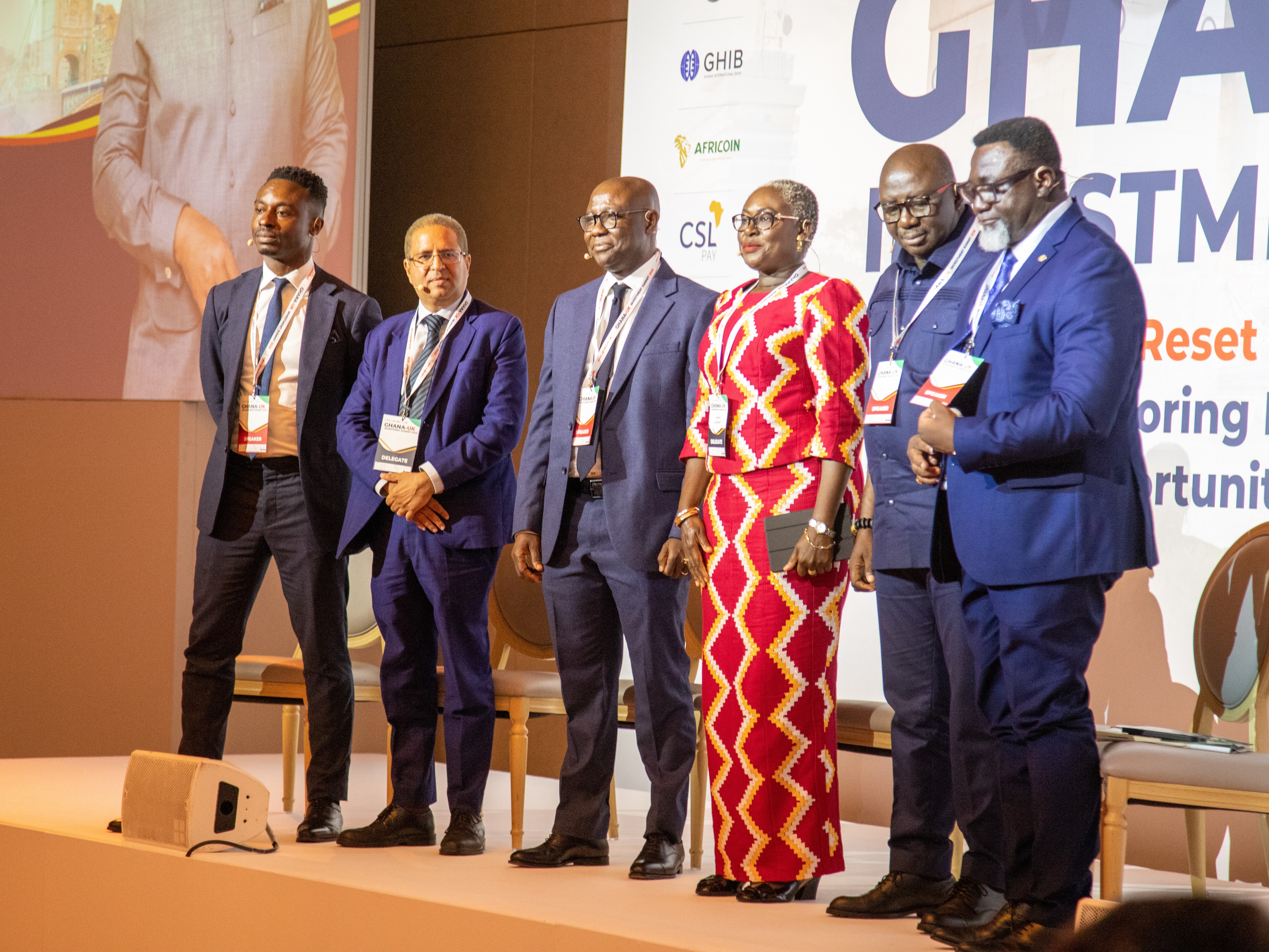
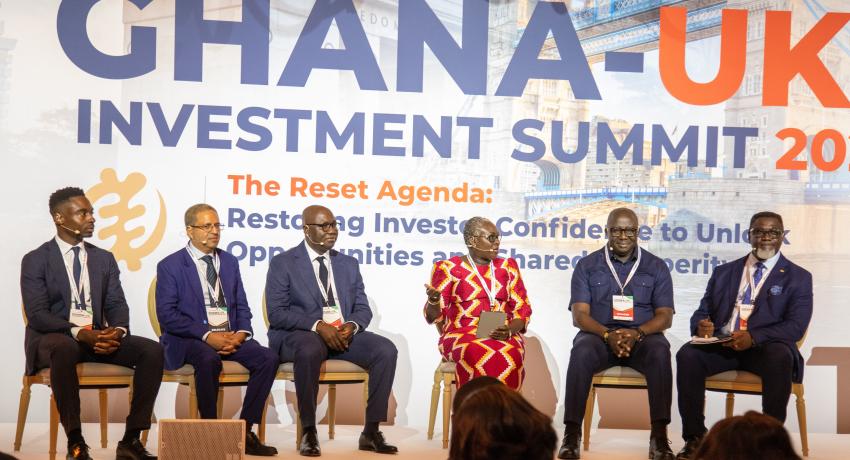
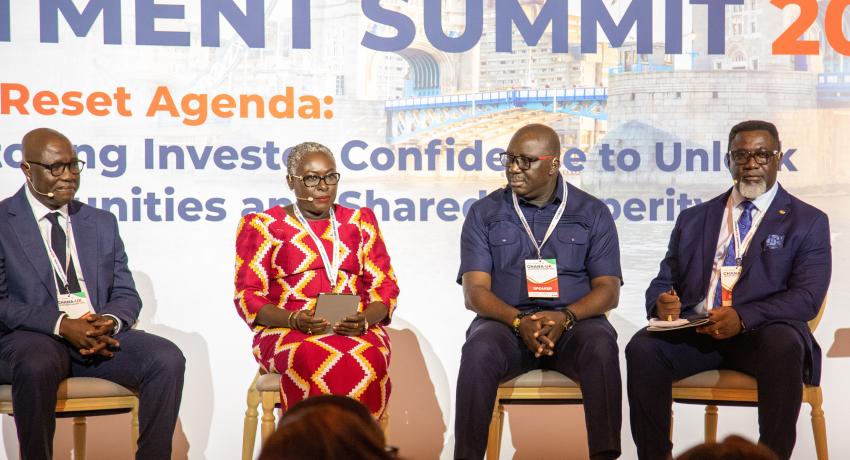
Dr. Acquaye made the call during a panel discussion on “Positioning Ghana as an Agribusiness Investment Hub Beyond Subsistence Agriculture” at the Ghana-UK Investment Summit 2026, held at Raffles London at The OWO.
Drawing on over three decades of experience across more than 30 African countries and the Caribbean, he highlighted how strategic investments, ecosystem facilitation, and innovation can transform agricultural value chains while creating sustainable employment opportunities for young people.
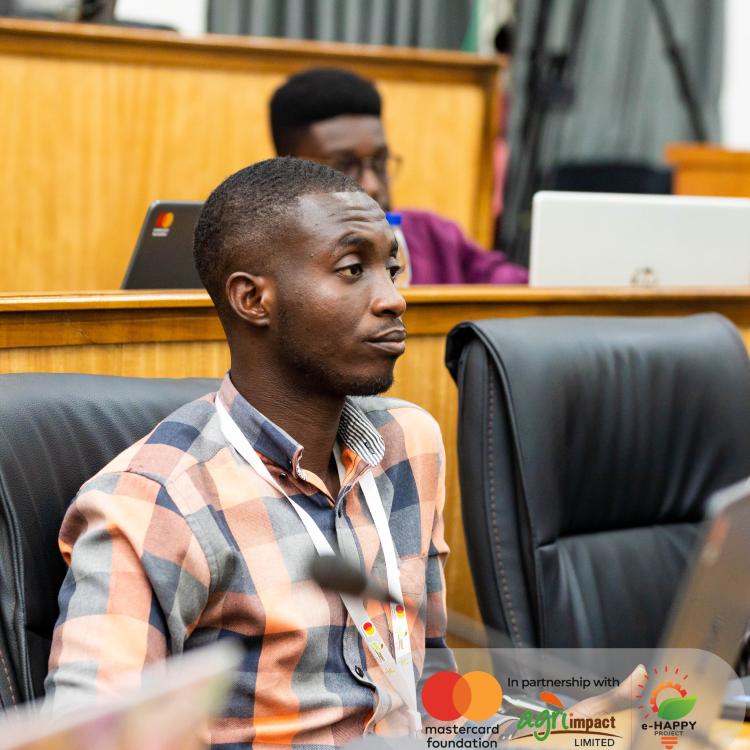
He showcased the work of Agri-Impact Limited, an agribusiness management and project facilitation firm that has partnered with organizations such as the World Bank, African Development Bank, International Fund for Agricultural Development (IFAD), Food and Agriculture Organization (FAO), and the Mastercard Foundation. The company also operates one of West Africa’s largest greenhouse businesses and is actively promoting agricultural digitization and youth employment initiatives.
Addressing practical models for accelerating commercial agriculture, Dr. Acquaye challenged the widespread perception that agriculture is excessively risky.
“People often describe agriculture as risky, but every industry has risks. If we allow that perception to dominate, we will continue to miss the enormous opportunities within the sector,” he said.
Using Ghana’s rice industry as an example, he noted that the country remains less than 50 percent self-sufficient in rice production despite favourable growing conditions. He cited a successful rice outgrower model implemented under the Mastercard Foundation-supported HAPPY Program, where a commercial farmer expanded from 650 outgrowers to 30,000 within two and a half years through ecosystem facilitation that connected farmers to markets, financing, technology, and capacity-building support.
Dr. Acquaye also highlighted opportunities within the poultry sector, where Ghana produces only about 10 percent of its chicken consumption needs. He recounted how Agri-Impact, through the HAPPY Program, helped revive a poultry processing company that had remained dormant for three years despite a US$3 million investment. Through value chain restructuring and catalytic support, the company was transformed within a year and began supplying between 150,000 and 200,000 birds monthly to KFC.
On greenhouse agriculture, he emphasized the significant opportunities in vegetable production, particularly tomatoes, noting that Ghana continues to import substantial quantities despite strong local demand. With support from the Ghana Export-Import Bank, Agri-Impact entered greenhouse production and rapidly scaled its ambitions.
“The first time we approached our board, we sought approval for a US$30,000 investment. Two years later, we returned seeking a US$25 million facility to expand our greenhouse programme,” he revealed.
According to Dr. Acquaye, even a US$25 million investment would satisfy less than three percent of Ghana’s tomato market demand, underscoring the vast potential for private-sector investment in controlled-environment agriculture.
He stressed that agribusiness requires patience, innovation, and a long-term outlook.
“Agribusiness is not a treasury bill where you invest and simply wait for returns. It requires tenacity and patience, but once you understand the system and stay the course, success is achievable,” he said.
As evidence of the sector’s growth potential, he noted that Agri-Impact’s workforce had grown from about 30 employees to more than 200 within three years.
In his concluding remarks, Dr. Acquaye urged investors to look beyond commodities and explore opportunities in agricultural technologies, machinery, and support services.
“Most investment conversations focus on products and commodities. We must also focus on technologies, machinery, and services because they cut across multiple value chains and offer significant opportunities for growth and innovation,” he stated.
The discussion formed part of efforts at the Ghana-UK Investment Summit 2026 to explore strategies for transforming Ghana’s agriculture sector from subsistence-based production into a globally competitive agribusiness industry capable of attracting investment, creating jobs, and driving economic growth.
The summit was held in the United Kingdom from 1&2 June 2026.